
Shopping Guide
Monthly Grocery Checklist for Himachali Families
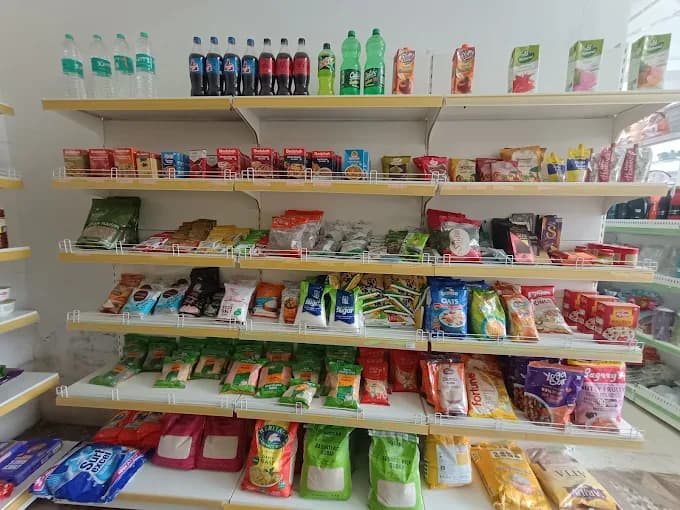
If you live in Nerwa, Chopal, Kupvi, Rohru or nearby areas, running out of essential groceries mid-month can be frustrating...
Why Monthly Planning Matters More in Hill Areas
...
- Plan before shopping
- Reduce unnecessary spending
- Avoid emergency trips
Grains, Flour and Staples
...
This is the foundation of every Himachali kitchen. Get this section right and you have covered the bulk of your family's daily needs. Most families in this region rely heavily on wheat (gehun) and rice as their core calories, with corn flour (makki ka atta) playing a bigger role in winter months when makki ki roti becomes a daily staple.
Monthly Grains and Flour Checklist
| Item | Suggested Quantity (Family of 4) | Notes |
|---|---|---|
| Whole Wheat Flour (Atta) | 10-15 kg | Adjust for chapati/paratha frequency |
| Basmati / Long-grain Rice | 5-8 kg | Daily rice-eating families may need more |
| Corn Flour (Makki ka Atta) | 3-5 kg | Higher in winter; makki ki roti season |
| Semolina (Suji / Rava) | 500g-1 kg | Halwa, upma, quick breakfasts |
| Besan (Chickpea Flour) | 500g | Pakoras, kadhi, coatings |
| Maida (All-Purpose Flour) | 500g | Occasional baking, pooris |
| Poha (Flattened Rice) | 500g | Quick breakfast, light snack |
| Sabudana (Tapioca Pearls) | 250g | Navratri, fasting days |
Tip: If you buy wheat in bulk from a local farmer and get it milled in Nerwa or Chopal, you can often skip atta for one or two months and significantly cut this part of your grocery bill.
Pulses, Lentils, and Legumes
Dal is not just food in Himachali households — it is the answer to every evening when you have not decided what to make. A well-stocked dal shelf means you always have something ready. The varieties matter here: different daals cook differently, taste differently, and serve different meals.
Monthly Pulses Checklist
- Masoor Dal (Red Lentils): 1-2 kg — Fast-cooking, good for everyday dinner
- Toor Dal (Arhar): 1-2 kg — Classic for dal tadka
- Moong Dal (Split Yellow): 500g-1 kg — Light meals, khichdi for kids/sick days
- Chana Dal: 500g-1 kg — Heavier preparations, dal makhani variations
- Rajma (Kidney Beans): 500g-1 kg — Sunday staple in Himachal, takes soaking overnight
- Kabuli Chana (White Chickpeas): 500g — Chole, salads
- Urad Dal (Black Lentils): 500g — Dal makhani, idli/dosa if your family makes them
- Whole Masoor or Sabut Moong: 500g — Sprouts, simple preparations
For families near Rohru or Shillai who grow their own rajma locally, buying this from outside is often unnecessary — but keep a backup stock for the off-season months.
Oils and Fats
Himachali cooking leans toward mustard oil for cooking and pure ghee for tempering and rotis. This combination is deeply embedded in local food culture, and for good reason — both hold up well in cold climates and add a richness that refined oils simply do not replicate.
Monthly Oils and Fats Checklist
- Mustard Oil: 2-3 litres — The primary cooking fat for most families here
- Pure Ghee: 500g-1 kg — Pahadi ghee from local dairies is the best; stock accordingly
- Refined Oil (Sunflower / Soybean): 1 litre — For specific dishes where mustard is too strong
- Vanaspati / Dalda: 500g — Only if your family regularly uses it for specific breads or sweets
Note on ghee: If you source pahadi ghee directly from a local dairy or farmer in the Nerwa-Chopal belt, quantities and pricing will vary significantly from packaged brands. Pure local ghee often lasts differently (and tastes better). Factor this into your planning rather than defaulting to supermarket quantities.
Spices, Condiments, and Masalas
You do not need to restock every spice every month. But a few run out quickly, and running out of something like red chilli powder or haldi mid-month can genuinely disrupt daily cooking. Here is a practical monthly approach: restock what is low, skip what is full.
Monthly Spices Checklist
| Spice / Condiment | Monthly Restock? | Buying Frequency |
|---|---|---|
| Red Chilli Powder | Yes | Every month (200-500g) |
| Turmeric (Haldi) | Yes | Every month (100-200g) |
| Coriander Powder (Dhaniya) | Yes | Every month (200-500g) |
| Cumin (Jeera) | Yes | Every month (100-200g) |
| Garam Masala | Sometimes | Every 2-3 months (100-200g) |
| Mustard Seeds | Sometimes | Every 2-3 months (100g) |
| Ajwain (Carom Seeds) | Rarely | Every 3-4 months (50-100g) |
| Asafoetida (Hing) | Rarely | Every 3-4 months (small pack) |
| Bay Leaves (Tejpatta) | Rarely | Every 2-3 months |
| Whole Peppercorns | Rarely | Every 2-3 months |
| Salt (Iodized) | Yes | Every month (1 kg) |
| Sugar | Yes | Every month (1-2 kg) |
| Jaggery (Gur) | Yes | Every month (500g-1 kg) |
Many families in this region also buy local herbs like dried methi or whole dried red chillis directly from farms. If you do, scale down your packaged purchases accordingly.
Tea, Coffee, and Beverages
Chai is not optional in a Himachali home. It is the first thing made in the morning, the thing guests are offered the moment they arrive, and the thing you need between 4 PM and sunset when the cold starts settling in. Plan for more than you think you need.
Monthly Beverages Checklist
- Loose Leaf Tea (CTC): 250-500g — Adjust based on how many cups per day your household drinks
- Tea Bags: Optional — Useful for guests or quick cups
- Instant Coffee: 50-100g — Not every household drinks this, but stock if needed
- Powdered Milk / Milk Powder: 500g-1 kg — Critical in Nerwa area during heavy fog/snow months when fresh milk delivery becomes unreliable
- Cocoa Powder: Optional — For children's hot chocolate
- Glucose / Electrolyte Sachets: Small stock — Useful for summer and after illness
Snacks, Dry Fruits, and Breakfast Items
This is a category families often under-stock. Dry fruits are especially important in Himachal — they are a part of daily eating habits, not just festive eating, and they serve as quick energy for kids going to school in cold mornings and adults working outdoors.
Monthly Snacks and Dry Fruits Checklist
- Almonds (Badam): 250-500g — Daily for children, soaked overnight
- Walnuts (Akhrot): 250-500g — Locally grown in Himachal; fresh seasonal stock when available
- Raisins (Kishmish): 250g — Mixed into milk for kids, eaten as-is
- Cashews (Kaju): 200-250g — Cooking and snacking
- Peanuts (Moongphali): 500g-1 kg — Roasted peanuts are a staple winter snack; affordable and nutritious
- Biscuits / Cream Crackers: 2-4 packs — School-going children; chai companions
- Namkeen / Mixture: 200-500g — Light snacking
- Breakfast Cereal / Oats: 500g — Quick weekday breakfasts
- Murmura (Puffed Rice): 500g — Chaat, bhel, quick snack base
Dairy and Eggs
Fresh dairy is typically sourced locally in the Nerwa region — milk from neighbourhood dairies, homemade curd, occasional paneer from local vendors. But there are items you will likely need to purchase:
Monthly Dairy Checklist
- Packaged Milk: Depends on your local supply situation — stock UHT cartons for backup during difficult weeks
- Paneer (Packaged): 200-400g — For months when local paneer is unavailable
- Butter: 200-400g — Table butter for parathas; Amul or local dairy brands
- Eggs: 2-3 dozen — If your family eats eggs; eggs are versatile, quick protein
- Cheese: Optional — Processed cheese slices for sandwiches, particularly for children
Cleaning and Household Supplies
This section is easy to forget during grocery planning because it does not feel like "food" — but running out of dish soap or washing powder mid-month is genuinely disruptive. Add this to your monthly list and stop buying it in a panic.
Monthly Household Essentials Checklist
| Item | Monthly Quantity | Category |
|---|---|---|
| Dish Washing Soap / Bar | 2-3 bars or 1 bottle | Kitchen Cleaning |
| Laundry Detergent | 1-2 kg (powder or liquid) | Laundry |
| Floor Cleaner | 1 bottle | Floor Cleaning |
| Toilet Cleaner | 1 bottle | Bathroom |
| Soap Bars (Bathing) | 4-6 bars | Personal Hygiene |
| Shampoo | 1 bottle | Personal Hygiene |
| Toothpaste | 1-2 tubes | Personal Hygiene |
| Sanitary Products | As needed | Personal Hygiene |
| Mosquito Repellent / Coils | Seasonal | Home Protection |
| Matchboxes / Lighter | 2-3 boxes | Kitchen Essentials |
| Garbage Bags | 1 pack | Waste Management |
| Steel Wool / Scrubber | 2-3 pieces | Kitchen Cleaning |
Seasonal Adjustments: What Changes Month to Month
One thing a static checklist cannot fully capture is the seasonal rhythm of Himachali households. Shopping needs shift noticeably between summer and winter, and even between festival months and regular months. Here is a quick guide:
October to February (Winter Planning)
- Increase makki ka atta stock significantly — makki ki roti season is here.
- Add sarson (mustard greens) if not growing your own — sarson da saag is winter staple territory.
- Stock additional dry fruits and nuts for energy during cold months.
- Keep extra powdered milk — fresh milk supply can get disrupted during heavy snowfall weeks.
- Stock kerosene or LPG backup if you use these for heating or cooking.
- Add a pack or two of instant noodles, soups, or other quick-warm-up foods — days when you just want something fast and hot.
- Woolens and blankets storage items: naphthalene balls, airtight bags for packing summer clothes.
March to May (Spring and Summer)
- Fresh produce becomes more available locally — reduce stored vegetable spending.
- Light beverages: increase nimbu (lemon) stock, ORS sachets, cooling drinks.
- Reduce ghee usage tends to drop slightly in hotter months.
- Back-to-school supplies for families with school-going children.
Festival Months (October for Diwali, Variable for Navratri, Dussehra)
- Mithai ingredients: maida, khoya, dry fruits in larger quantities.
- Sabudana and singhara atta for Navratri fasting.
- Extra oil for frying sweets and snacks.
- Gift packs of dry fruits and packaged sweets for visiting.
Master Monthly Grocery Checklist (Printable Format)
Below is the consolidated version. Print it, save it to your phone, or copy it into a notes app. Check off what you have before you head to the market.
Grains and Flour
- ☐ Wheat Flour (Atta) — 10-15 kg
- ☐ Rice — 5-8 kg
- ☐ Corn Flour (Makki ka Atta) — 3-5 kg (winter)
- ☐ Semolina (Suji) — 500g-1 kg
- ☐ Besan — 500g
- ☐ Maida — 500g
- ☐ Poha — 500g
Pulses and Legumes
- ☐ Masoor Dal — 1-2 kg
- ☐ Toor Dal — 1-2 kg
- ☐ Moong Dal — 500g-1 kg
- ☐ Rajma — 500g-1 kg
- ☐ Kabuli Chana — 500g
- ☐ Urad Dal — 500g
- ☐ Chana Dal — 500g-1 kg
Oils and Fats
- ☐ Mustard Oil — 2-3 litres
- ☐ Ghee — 500g-1 kg
- ☐ Refined Oil — 1 litre
Spices and Condiments
- ☐ Red Chilli Powder — 200-500g
- ☐ Turmeric (Haldi) — 100-200g
- ☐ Coriander Powder — 200-500g
- ☐ Cumin (Jeera) — 100-200g
- ☐ Salt (Iodized) — 1 kg
- ☐ Sugar — 1-2 kg
- ☐ Jaggery (Gur) — 500g-1 kg
- ☐ Garam Masala — as needed
Tea and Beverages
- ☐ Tea (CTC) — 250-500g
- ☐ Powdered Milk — 500g-1 kg
- ☐ Coffee — 50-100g (if needed)
Dry Fruits and Snacks
- ☐ Almonds — 250-500g
- ☐ Walnuts — 250-500g
- ☐ Raisins — 250g
- ☐ Peanuts — 500g-1 kg
- ☐ Biscuits — 2-4 packs
- ☐ Oats / Breakfast Cereal — 500g
Dairy and Eggs
- ☐ Butter — 200-400g
- ☐ Packaged Milk / UHT — backup stock
- ☐ Eggs — 2-3 dozen
- ☐ Paneer (packaged) — as needed
Household and Cleaning
- ☐ Dish Soap — 2-3 bars or 1 bottle
- ☐ Laundry Detergent — 1-2 kg
- ☐ Floor Cleaner — 1 bottle
- ☐ Toilet Cleaner — 1 bottle
- ☐ Soap Bars — 4-6 bars
- ☐ Shampoo — 1 bottle
- ☐ Toothpaste — 1-2 tubes
- ☐ Matchboxes — 2-3 boxes
- ☐ Garbage Bags — 1 pack
Smart Shopping Tips for Families in the Nerwa Region
- Shop before the 15th of every month. Markets in Nerwa, Chopal, and nearby areas can run low on certain packaged goods in the second half of the month — restocking cycles from distributors are not always predictable. Getting your monthly shop done in the first two weeks gives you more selection.
- Buy grains and pulses in bulk when possible. Prices per kg drop significantly at 5 kg and 10 kg quantities. If storage is not an issue, buying atta and dal in larger quantities once a month is almost always more economical than buying in small batches.
- Keep a running list on your phone. The best time to update your shopping list is the moment you notice something is running low — not the morning before you shop. A simple notes app or even a WhatsApp message to yourself is enough.
- Do not skip the household supplies section. Families that shop with food-only mindsets consistently run into the problem of mid-month cleaning supply shortages. Detergent and soap bars should be on every monthly list, without exception.
- Plan around your cooking frequency. A family that cooks three full meals daily needs more staples than one that eats out for lunch. Estimate your actual consumption before defaulting to standard quantities.
- Stock slightly extra in October and November. The transition into winter is when supply disruptions are most likely in hill areas. A small buffer in your staple stock — even an extra 2 kg of atta or an extra litre of mustard oil — can save a difficult week.
Frequently Asked Questions
How much should a family of four spend on monthly groceries in rural Himachal Pradesh?
Monthly grocery spending for a family of four in rural Himachal Pradesh — covering a standard household with three meals a day — typically falls between ₹3,000 and ₹6,000 for staples and essentials. This excludes fresh vegetables, milk, and meat. Families who source some items locally (homemade ghee, own-grown vegetables, locally milled atta) can bring this down significantly. Urban-sourced packaged goods will push costs toward the higher end.
How do I plan monthly grocery shopping without wasting food?
The key is buying perishables in small, frequent quantities and non-perishables in monthly bulk. Atta, dal, oil, and spices keep well for a month or more — buy these once. Fresh vegetables, curd, and dairy should be bought every few days as needed. A simple two-column list (monthly bulk items vs. weekly fresh items) is the most practical approach for households here.
What are the must-have household essentials for Himachali families?
Beyond food staples, the non-negotiables are: iodized salt, mustard oil or cooking fat, tea, sugar, powdered milk (as backup), basic spices (haldi, lal mirch, dhaniya), laundry detergent, dish soap, and soap bars. In winter, add powdered milk and extra grains to this list.
Should I buy atta from a local mill or packaged from a store?
If you have access to a good local atta chakki (flour mill) in Nerwa or nearby, locally milled whole wheat flour is almost always fresher, coarser, and more nutritious than packaged alternatives. It also tends to be cheaper at volume. The trade-off is consistency — packaged flour has a standardized grind. For everyday chapati, local mill flour is the better choice for most Himachali families.
How much tea should I buy per month for a family of four?
A family that drinks three to four cups of tea daily across all members typically uses between 250g and 500g of loose CTC tea per month. If you entertain guests frequently or your household has heavy tea drinkers, plan for 500g minimum. Buying in 500g packs is typically more economical than buying in smaller quantities.
What dry fruits are commonly eaten in Himachali households?
Walnuts (akhrot) and apricots (khubani) are the most locally embedded dry fruits in the Himachali diet — both grow abundantly in the region. Almonds, raisins, and peanuts are consumed daily in most households. Cashews are used more in cooking and special occasions. For regular daily consumption, walnuts and peanuts offer the best nutritional value at the most reasonable cost in this region.
Is it cheaper to shop in Nerwa or go to Shimla/Rohru for monthly groceries?
For most staple items, local markets in Nerwa and Chopal are competitive in pricing. The convenience advantage — avoiding a long trip on mountain roads — almost always outweighs the marginal price difference on standard goods. Where the difference is more noticeable is in branded packaged goods and specialty items, where larger town markets have better selection and sometimes lower prices due to higher volume. For a practical monthly shop covering staples, shopping locally makes more sense for most families.
How do I manage grocery shopping for the winter months when roads are affected?
The standard practice for experienced households in the Nerwa-Chopal belt is to do a slightly heavier shop in late October or early November, before the first significant snowfall. This means stocking 20-30% more than your regular monthly quantities in grains, pulses, oil, powdered milk, and canned goods. It does not mean panic-buying everything — just building a sensible buffer that carries you comfortably through two to three weeks of potential disruption.
Do I need to buy separate items for Navratri and fasting days?
If your family observes Navratri fasts or regular ekadashi fasts, you will want to keep a small stock of sabudana, singhara atta, rajgira atta, sendha namak (rock salt), and dry fruits. These are also useful during illness recovery. They are not expensive items — a small quarterly restock is usually enough.
What is the best way to store atta and dal for a month?
In the Himachali climate, moisture is less of a problem than in the plains — the relatively dry mountain air slows spoilage. Airtight steel or plastic containers work well for storing atta and dal. Keep containers in a cool, dry corner — away from the stove and sunlight. For longer storage, adding a bay leaf (tejpatta) or two to dal containers is a traditional and effective way to deter weevils without chemicals.
How often should I restock spices?
The high-use spices — red chilli, turmeric, coriander powder, cumin, and salt — should be on your monthly list. Medium-use spices like garam masala, mustard seeds, and ajwain can be restocked every two to three months. Whole spices like cloves, cardamom, and cinnamon last much longer — a quarterly or semi-annual purchase is sufficient. The best practice is a monthly spice audit: open your spice box, see what is low, and restock only those items.
Can I order groceries online for delivery in Nerwa?
Standard quick-commerce platforms like Blinkit, Zepto, or BigBasket do not currently deliver to Nerwa or most of the Chopal tehsil area. Shimla-based delivery services cover some peri-urban areas but not deep rural locations. The practical reality is that for most families in the Nerwa region, monthly grocery shopping is an in-person activity — which is exactly why having a solid, well-thought-out checklist before you head out makes such a difference.
Conclusion: One Good List, One Good Trip
The monthly grocery checklist for Himachali families is not about buying more — it is about buying smarter. One well-prepared trip to the market, guided by a thoughtful list that accounts for your family size, your cooking habits, and the season you are in, saves you time, money, and the frustration of mid-month shortages.
Families in Nerwa, Chopal, Kupvi, Rohru, and Shillai live in some of the most beautifully self-sufficient communities in Himachal. A lot of what a household needs is already grown locally, milled locally, or sourced from a neighbour. The purpose of this checklist is to cover the gaps — to make sure that when the rest of it comes together, the packaged staples, the oils, the spices, the household essentials are already there and ready.
Save this page. Print the master checklist. Use it before your next shopping trip. And if there is something specific to your household or area that we missed, the list is yours to adapt.
Nerwa Supermart is a local store in Nerwa, Himachal Pradesh, serving families across the Chopal belt. We carry staples, household essentials, and packaged goods to cover the items on this list. Visit us for your monthly shop or ask our staff to help you build out your family's custom checklist.